Traditional Thai Wedding Ceremonies: Customs, Rituals, and Meaning
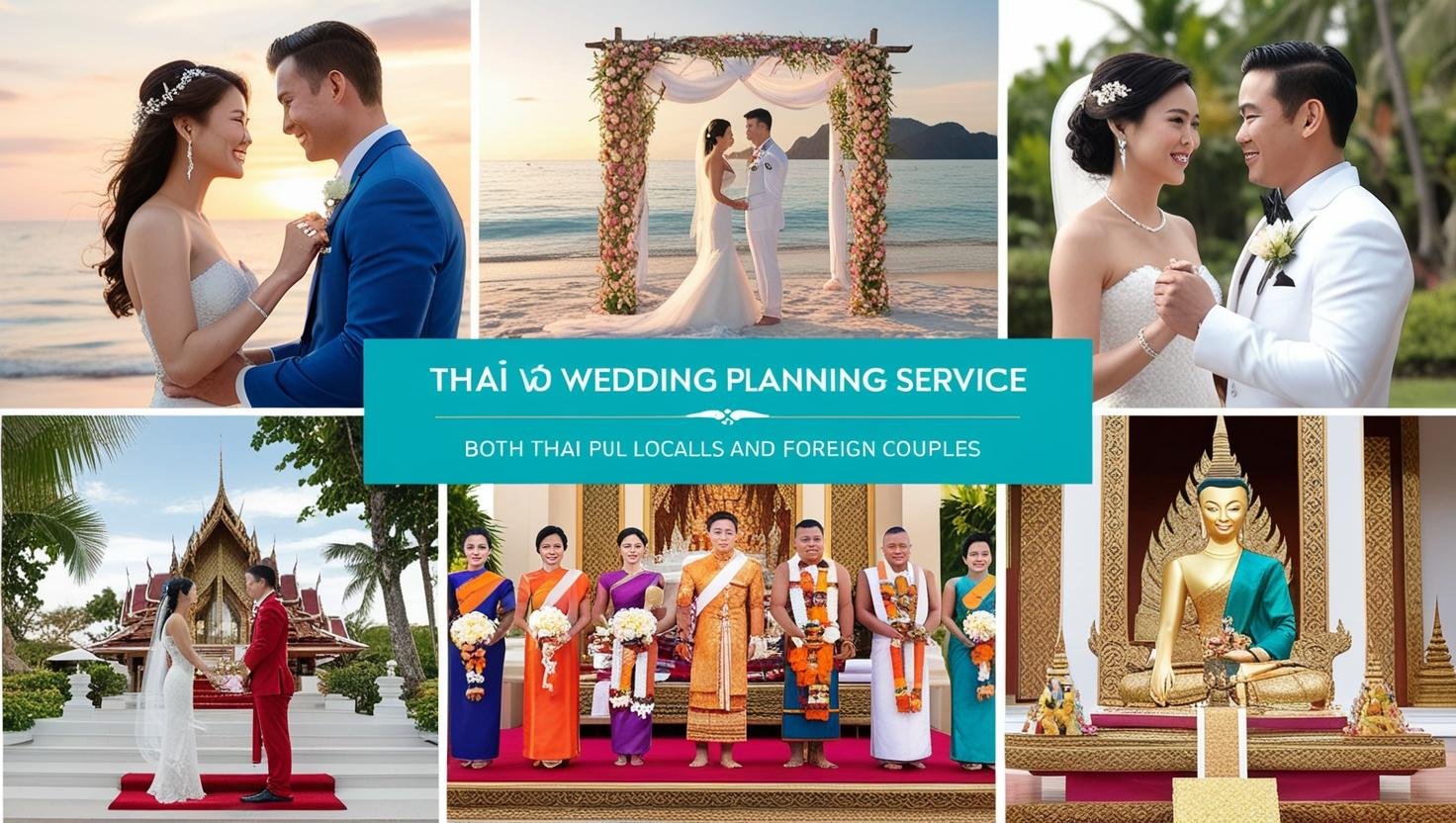
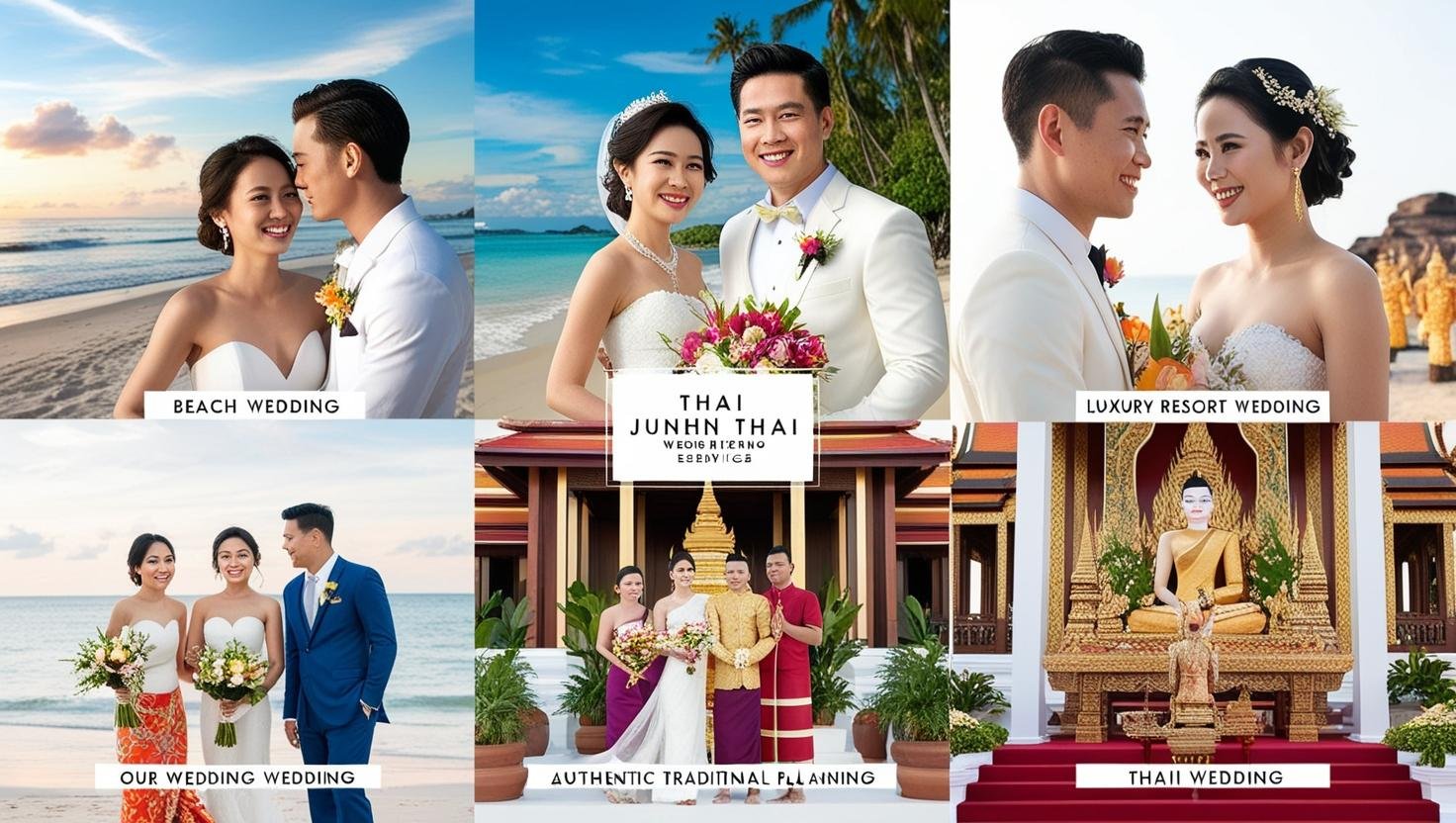
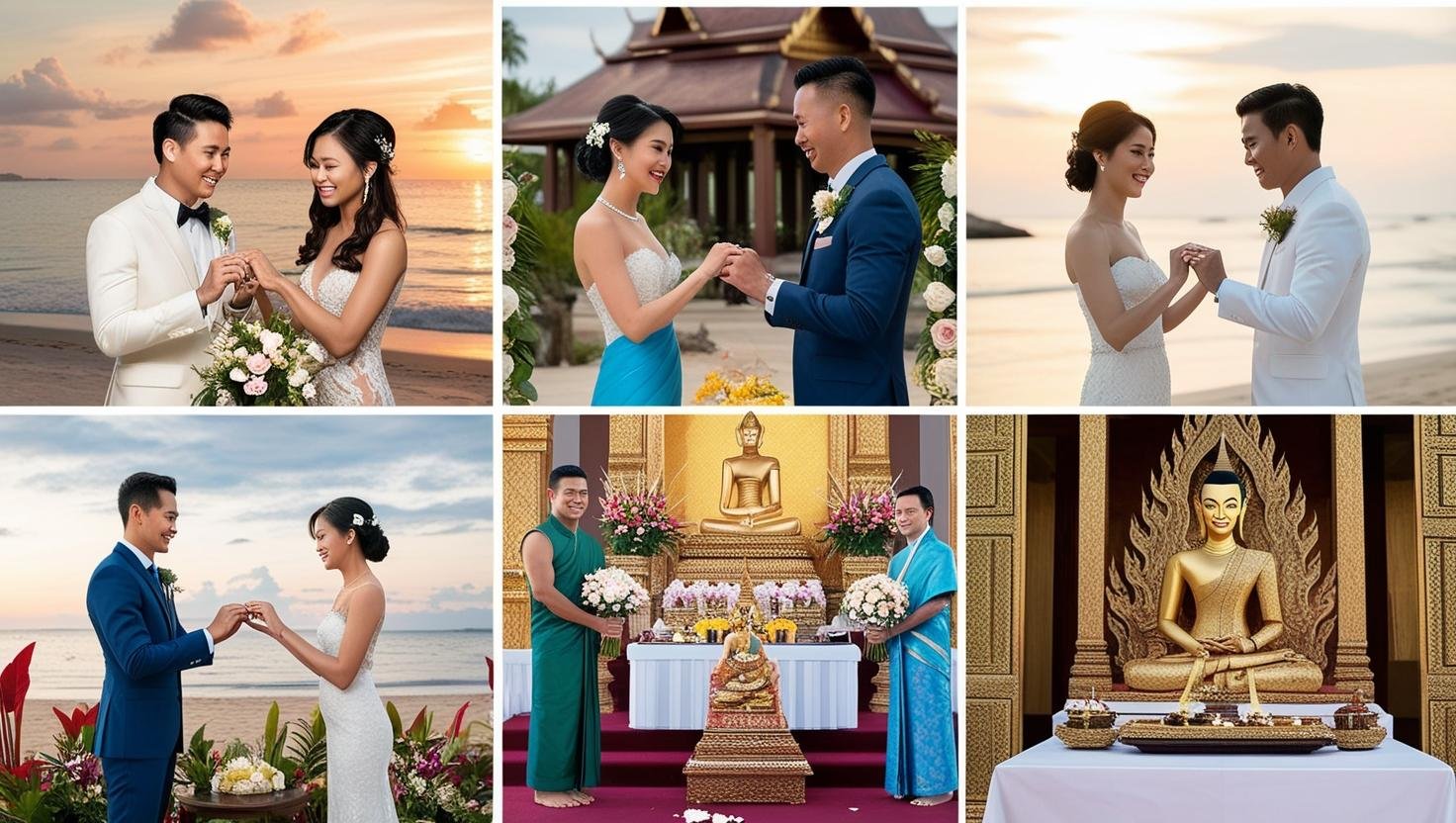
A traditional Thai wedding is a deeply symbolic and culturally rich ceremony that blends Buddhist traditions with ancient customs. Whether you are incorporating Thai rituals into your wedding or planning a fully traditional Thai celebration, understanding the meaning behind these customs can make your special day even more meaningful. Here’s everything you need to know about traditional Thai wedding ceremonies.
Choose the Right Equipment
1. Khan Maak Procession (Groom’s Arrival)
The wedding day begins with the Khan Maak procession, where the groom and his family arrive at the bride’s home in a lively parade. The groom brings symbolic gifts, including banana leaves, betel nuts, and money, representing prosperity and good fortune.
Key Elements of the Khan Maak Procession:
Music and Dancing – Friends and family accompany the groom with singing and dancing.
Symbolic Gifts – Items like gold, jewelry, and betel nuts symbolize blessings for the couple.
Gate Ceremony – The groom must pass through symbolic “doors” set up by the bride’s friends and family, often requiring him to perform tasks or offer money to pass.
2. Sai Monkhon (Sacred Thread Ceremony)
A Buddhist monk or elder places a white thread, called Sai Monkhon, in a loop on the couple’s heads. This represents unity and the blessing of their marriage.
Symbolism:
The sacred thread connects the couple spiritually, ensuring a strong and lasting bond.
White represents purity and a blessed beginning.
3. Water Pouring Ceremony (Rod Nam Sang)
The Rod Nam Sang ceremony is one of the most significant parts of a Thai wedding. The couple kneels with their hands in a prayer position, and family members and guests pour water over their hands from a special conch shell, offering blessings and well wishes.
Meaning of the Water Pouring Ceremony:
Symbolizes purification and the start of a new life together.
Guests offer their blessings and advice to the couple.
4. Buddhist Blessing Ceremony
Many Thai weddings begin with a Buddhist blessing at a temple or home, where monks chant prayers and sprinkle holy water on the couple.
Traditional Elements:
Offering food and gifts to monks for good karma.
Monks reciting blessings for a prosperous marriage.
Holy water sprinkled on the couple for purification and protection.
5. Sin Sod (Bride Price Tradition)
The Sin Sod is a Thai dowry tradition where the groom presents money or valuables to the bride’s family as a sign of respect and financial stability.
Understanding Sin Sod:
Represents the groom’s ability to care for the bride.
Amount varies based on social status and tradition.
Sometimes, the family returns part or all of the money as a symbolic gesture.
6. Wedding Reception and Celebrations
After the religious and traditional ceremonies, a festive reception follows with Thai cuisine, music, and dancing.
Common Features of a Thai Wedding Reception:
Traditional Thai dance performances.
A beautifully decorated wedding stage.
A heartfelt speech from the couple thanking their guests.
Final Thoughts
A traditional Thai wedding is a beautiful and meaningful event filled with rituals that symbolize love, unity, and blessings. Whether you incorporate a few Thai customs or host a full traditional Thai ceremony, these traditions create a wedding experience rich in culture and love.